Water Supply Protection Through Routine Testing
Backflow Testing & Prevention in Sioux Falls for properties requiring annual compliance testing, installations needing prevention devices, or systems showing contamination risk
Backflow occurs when water reverses direction in supply lines, allowing contaminated water from irrigation systems, boilers, or other sources to enter the potable water supply that serves drinking fixtures throughout the building. Payton Plumbing performs backflow testing, installs prevention devices, and handles compliance inspections in Sioux Falls for both residential and commercial properties. Testing involves temporarily creating pressure differentials across the device and measuring whether internal check valves and air gaps prevent reverse flow under all conditions.
Annual backflow testing is required by municipal water authorities for properties with irrigation systems, fire sprinkler connections, commercial kitchens, medical facilities, and any installation where non-potable water systems connect to the main supply. Testing procedures follow specific protocols using calibrated gauge kits that measure pressure drops and verify that spring-loaded check valves seat properly when forward pressure stops.
Schedule backflow testing to maintain compliance with local water system requirements and document proper device operation.
What Backflow Prevention Actually Accomplishes
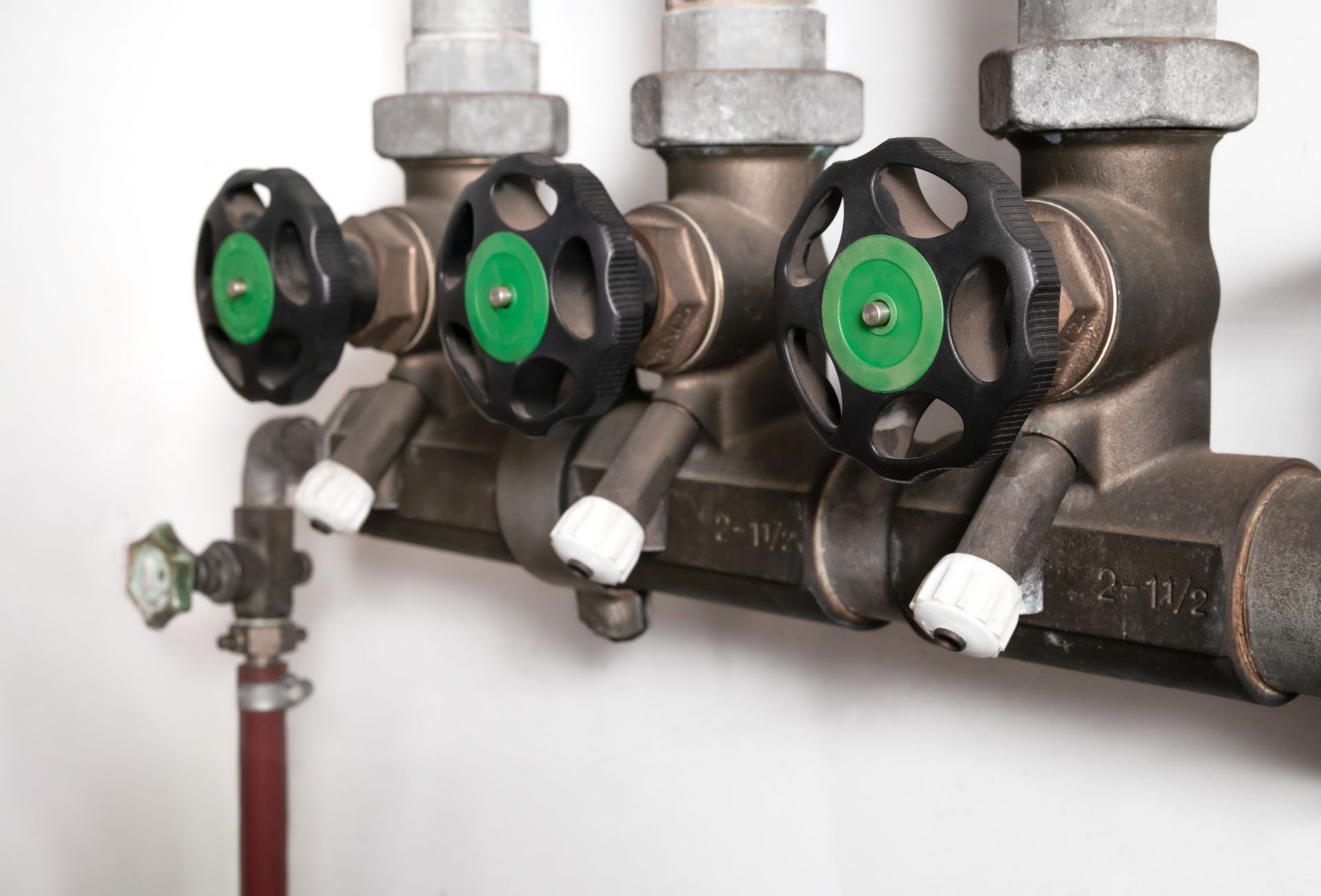
Backflow prevention devices use mechanical check valves, air gaps, or reduced pressure zones to ensure water flows only in the intended direction, even when supply pressure drops due to main breaks or heavy demand elsewhere in the system. Reduced pressure principle devices include two check valves with a pressure-monitored chamber between them that vents to atmosphere if either valve fails, providing redundant protection against contamination.
After testing and certification, you receive documentation showing that the device operated correctly under test conditions, meeting the standards municipal water departments require for continued service. Properties with failed tests require immediate repair or device replacement before passing certification, since backflow risk remains present until proper function is restored and verified.
Device selection depends on the specific hazard level—atmospheric vacuum breakers suit hose bibs and simple irrigation, while reduced pressure assemblies are mandatory for fire sprinkler systems and any application where toxic substances might enter supply lines. Installation requires proper clearance for testing access and drain line connections that carry relief valve discharge away from the device location.
Questions Before Starting Your Project
Backflow prevention raises practical questions about testing frequency, device requirements, and compliance obligations that property owners must address to maintain safe water systems.
What happens during a backflow test?
The tester attaches calibrated gauges to device test ports, closes isolation valves in sequence to simulate backflow conditions, and measures whether check valves and relief valves respond at correct pressure differentials, with passing results documented on compliance forms submitted to the water authority.
How often does backflow testing need to occur?
Most jurisdictions require annual testing for all testable devices, with testing performed by state-certified technicians who document results and submit compliance reports, and properties without current certification risk water service interruption until testing is completed and devices pass inspection.
When do backflow prevention devices require replacement?
Devices fail testing when internal check valves no longer seal properly due to debris, corrosion, or worn rubber components, and while minor repairs like replacing check valve seals can restore function, severely corroded housings or damaged valve seats require complete device replacement.
What triggers backflow prevention device requirements in Sioux Falls?
New irrigation system installation, fire sprinkler connections, commercial kitchen equipment, and any cross-connection between potable water and potential contamination sources require appropriate backflow prevention devices sized and installed according to local plumbing codes.
How do pressure changes affect backflow risk?
When supply pressure drops below system pressure in irrigation lines or heating equipment due to main breaks or heavy fire department water use, water reverses direction and flows back toward the supply main, carrying fertilizers, chemicals, or stagnant water into the potable system unless prevention devices block the reverse flow.
Payton Plumbing handles backflow testing and prevention device installation with attention to regulatory requirements and proper documentation procedures. Request backflow prevention services to address compliance needs and maintain safe water supply protection for your property.