
Gas Systems Installed to Code Requirements
Gas Line Installation & Repair in Sioux Falls for appliance conversions, leak detection, or extending service to new equipment locations
Gas line work requires precise pipe sizing, approved materials, and leak testing procedures that meet state plumbing codes, since even small leaks create serious safety hazards. Payton Plumbing installs and repairs gas lines for residential and commercial properties in Sioux Falls, running new lines to appliances, replacing corroded pipes, and diagnosing leaks with pressure testing and electronic detection equipment. You need this service when installing gas appliances in locations without existing connections, when older black iron pipe shows rust perforation, or when you detect gas odor near appliances or connections.
The work involves calculating proper pipe diameter based on total BTU load and distance from the meter, installing code-compliant pipe materials such as black steel or approved flexible connectors, and pressure-testing all new connections with gauges that verify zero pressure drop over a timed interval. Gas line installation differs fundamentally from water supply work because gas remains under constant pressure and any leak continues indefinitely rather than self-limiting like water leaks that saturate surrounding areas.
Schedule an on-site consultation to review gas line requirements for your specific appliance installation or repair needs.
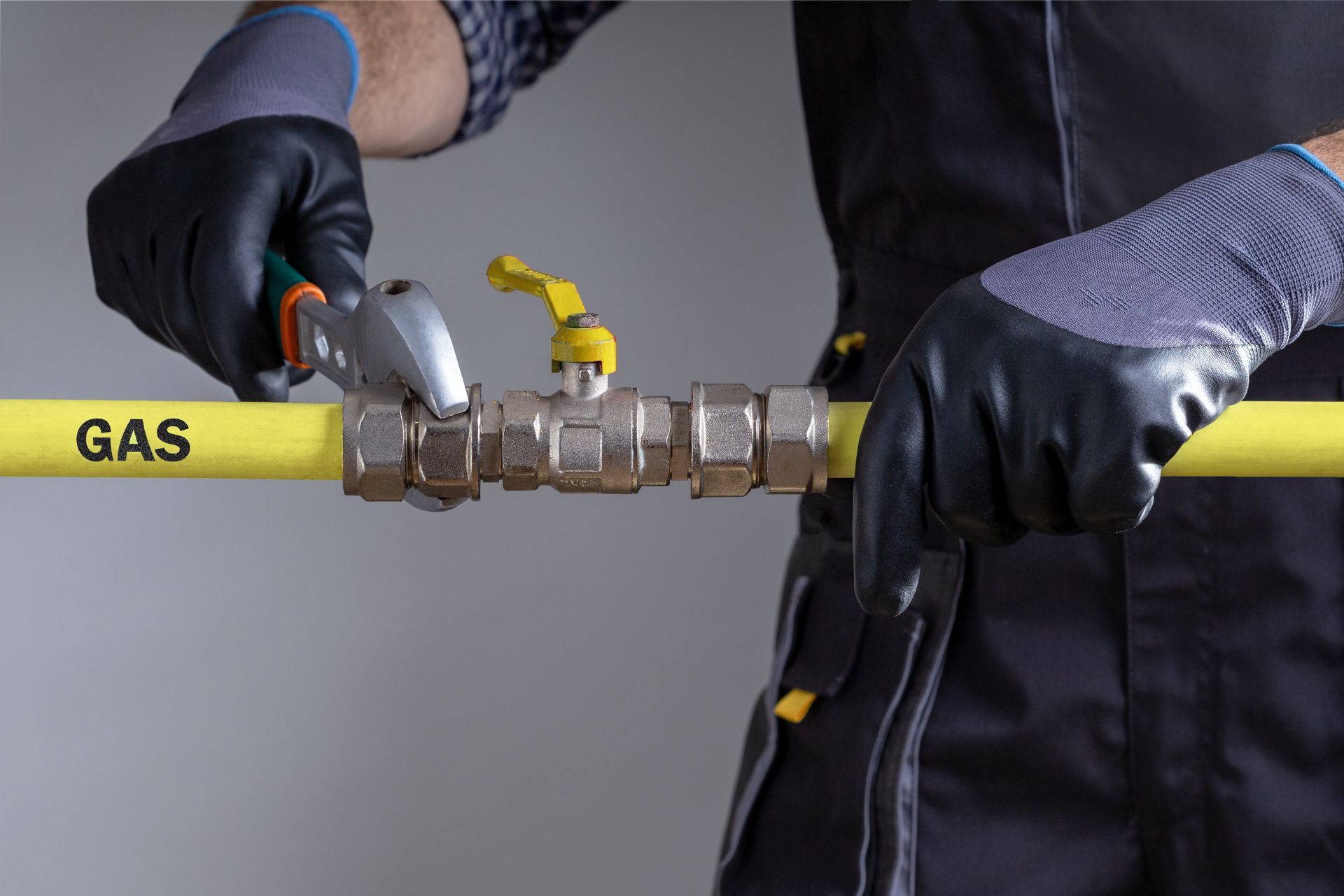
Why Code-Compliant Gas Work Matters
Gas line installation follows strict sizing charts that account for pipe length and total appliance demand, since undersized pipes reduce pressure at appliances and cause incomplete combustion or equipment malfunction. Every connection requires pipe dope or Teflon tape rated for gas use, not standard products that degrade when exposed to natural gas or propane, and all joints must be accessible for inspection rather than buried in walls without proper sleeving.
Once installation completes, appliances receive consistent gas pressure that allows burners to ignite reliably and maintain proper flame characteristics, and you notice that pilot lights remain lit and appliances operate at their rated efficiency. Payton Plumbing tests every connection with soap solution after pressurizing the line, verifying that no bubbles form at joints, and documents pressure readings before and after testing to confirm system integrity.
Gas line materials must suit the installation environment—black iron pipe provides durability for concealed runs through walls and ceilings, while corrugated stainless steel tubing allows flexible routing in tight spaces where rigid pipe requires multiple fittings, and each material type has specific code requirements for support spacing and protection from physical damage.
Answers to Frequent Service Questions
Gas line projects involve specific safety protocols and material requirements that differ from other plumbing work, raising questions about installation standards and maintenance needs.
What distinguishes professional gas line work from improper installation?
Licensed plumbers calculate pipe sizing using fuel type and appliance BTU ratings rather than guessing based on appearance, test every connection with calibrated pressure gauges rather than relying on soap bubbles alone, and install shutoff valves at required locations to allow appliance service without depressurizing the entire system.
How are gas leaks detected and repaired?
Electronic gas detectors identify leak locations by sensing even trace amounts of gas, allowing precise identification before disassembly, and repairs involve replacing entire sections of pipe or defective fittings rather than attempting to tighten connections, since overtightening damages threads and creates new leak paths.
When do gas lines require replacement rather than repair?
Rust perforation in black iron pipe, crushed or kinked corrugated tubing, and connections that leak repeatedly after tightening all indicate replacement needs, since compromised pipe integrity cannot be reliably restored and continued leaks create ongoing safety risks.
What applications require gas line installation in Sioux Falls?
Common projects include running lines to new ranges, dryers, furnaces, water heaters, fireplaces, outdoor grills, and standby generators, with each appliance requiring correctly sized pipe based on its BTU rating and distance from the gas meter or propane tank.
How does cold weather affect gas line performance?
While gas itself flows reliably at Sioux Falls winter temperatures, condensation in lines can freeze and block flow if moisture enters the system, and outdoor regulators and meters may ice up during extreme cold, requiring proper installation height and protection to prevent snow and ice accumulation from affecting operation.
Payton Plumbing completes gas line installation and repair with careful attention to safety-focused procedures that protect both property and occupants. Arrange gas line service to address your appliance connection requirements with code-compliant workmanship.