
Basement Protection That Works When Needed
Sump Pump & Well Services in Sioux Falls for basements that flood during heavy rain, pumps that cycle constantly, or systems that fail to activate
When water appears in your basement during spring runoff or after prolonged rain, the problem often traces to a sump pump that cannot keep pace with inflow, a failed float switch, or a discharge line that freezes during winter operation. Payton Plumbing installs, repairs, and maintains sump pump systems in Sioux Falls, addressing pump failures, switch malfunctions, and discharge line problems that leave basements vulnerable to flooding. Properties with high water tables or clay soil that drains poorly depend on sump systems that operate reliably throughout the year, not just when conditions are favorable.
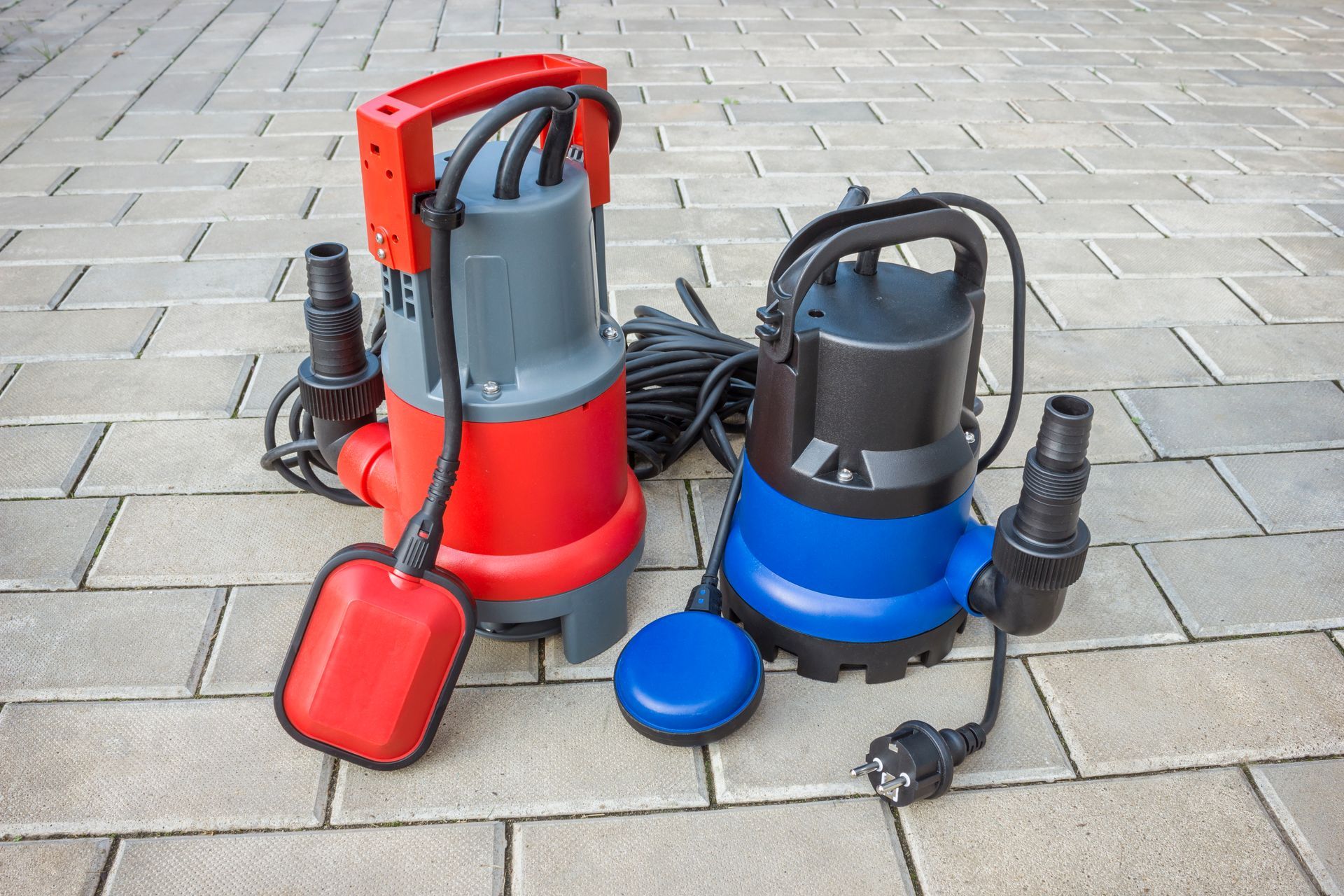
Sump pump service includes replacing worn pumps, adjusting or replacing float switches that stick or fail to trigger at correct water levels, clearing discharge lines, and installing battery backup systems that continue pumping during power outages. Pump selection matters significantly—submersible pumps handle higher volume and operate more quietly than pedestal models, while horsepower ratings determine how quickly the system removes water during heavy inflow periods.
Request a system evaluation to identify specific performance issues affecting your sump pump or well system operation.
What Changes After System Installation Completes
Proper sump pump operation depends on a correctly sized basin that collects groundwater from perimeter drains, a pump powerful enough to move expected water volume through the discharge line, and a float switch positioned to activate before water reaches floor level. The discharge line must slope continuously away from the foundation and terminate far enough from the house that ejected water does not re-enter the drainage system.
After installation or repair, the pump activates promptly when water reaches the trigger level, runs only long enough to lower water below the shutoff point, and remains silent between cycles rather than running continuously. You also notice that the basement stays dry during rain events that previously caused flooding, and the pump operates predictably without frequent cycling that indicates undersized equipment or restricted discharge lines.
Battery backup systems require separate installation of a direct-current pump alongside the primary alternating-current unit, with a marine-grade battery that maintains charge through a controller and provides several hours of operation when grid power fails during storms. Discharge lines in Sioux Falls also need consideration for freeze protection, either by burying below frost depth or using check valves that prevent standing water from freezing in exposed sections.
What Property Owners Usually Ask
Sump pump and well system questions typically focus on sizing, maintenance requirements, and preventing failures during critical periods when basement flooding risk is highest.
What size sump pump do basements typically require?
Most residential applications use one-third to one-half horsepower pumps that move 35 to 50 gallons per minute at ten-foot discharge head, but properties with high water tables or large basement square footage may need higher capacity pumps or multiple units to handle peak inflow during spring thaw or heavy rainfall.
How often do sump pumps require maintenance?
Annual inspection should include testing the float switch operation, checking the discharge line for obstructions, verifying that the pump activates at correct water levels, and examining the check valve for proper sealing, while pump replacement typically becomes necessary every seven to ten years as motor bearings wear and impeller components corrode.
Why do sump pumps run continuously without lowering water level?
Continuous operation without water level change indicates that the pump cannot overcome discharge head pressure due to clogged impellers or restricted discharge lines, or that inflow exceeds pump capacity during peak groundwater conditions, requiring either pump replacement with higher capacity or installation of a second pump.
When should battery backup systems be installed?
Properties that experience frequent power outages during storms, have finished basements vulnerable to water damage, or lack alternative drainage when the sump pump fails should include battery backup to maintain protection during the exact conditions when flooding risk is greatest and utility power is most likely interrupted.
How does Sioux Falls soil composition affect sump pump needs?
Clay soils common in the region drain slowly and create prolonged periods of high groundwater after precipitation, requiring sump pumps that operate reliably over extended cycles rather than handling only brief periods of peak inflow, and systems must be sized for cumulative volume rather than just maximum instantaneous flow.
Payton Plumbing provides sump pump installation and repair services that keep basement drainage systems functioning through all weather conditions. Schedule sump pump and well services to address current system deficiencies or install new protection before seasonal flooding risks arrive.