
Water That Stops Damaging Fixtures and Appliances
Water softener and filtration services in Sioux Falls for properties dealing with scale buildup and mineral deposits
Hard water leaves white mineral deposits on faucets, reduces water heater efficiency by coating heating elements with scale, and shortens the lifespan of appliances that rely on water flow through narrow passages. Payton Plumbing installs water softeners and filtration systems in Sioux Falls to address high mineral content that affects water quality and causes visible buildup on plumbing fixtures. Properties in this region commonly have water hardness levels above 10 grains per gallon, which accelerates scale formation inside pipes, water heaters, and appliances.
Water softeners use ion exchange resin to remove calcium and magnesium from incoming water, replacing these hardness minerals with sodium ions that do not form scale. Filtration systems address additional concerns such as sediment, chlorine taste, iron staining, or sulfur odor depending on the specific water chemistry present in your supply. Both systems require sizing based on daily water usage and the specific contaminants identified through water testing.
Arrange a water quality test to measure hardness levels, iron content, and other factors that determine which treatment approach addresses your specific conditions.
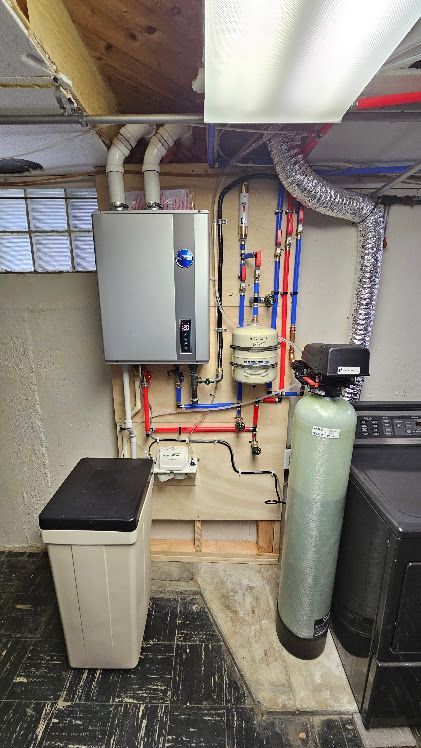
How Water Treatment Addresses Mineral Problems
Water softener installation involves placing the unit on the main water line after the shut-off valve but before any branch lines, ensuring all water entering the home passes through the resin tank. The system cycles through regeneration phases where brine solution flushes accumulated minerals from the resin bed and restores its ion exchange capacity, with regeneration frequency determined by water hardness and household consumption patterns.
Once the system operates, you see soap lathering more easily, dishes coming out of the dishwasher without cloudy spots, and no white crust forming around faucet aerators or showerheads. Water heaters maintain efficiency longer because scale no longer coats heating elements, and appliances like washing machines and ice makers avoid the mineral buildup that clogs valves and reduces flow.
Filtration systems require different media depending on contaminants present—activated carbon removes chlorine and organic compounds, iron filters oxidize dissolved iron before trapping it in a media bed, and sediment filters capture particles before they reach fixtures. Systems need periodic media replacement and filter changes based on water volume processed, with higher iron content or sediment loads requiring more frequent maintenance.
Answers to Frequent Service Questions
Water softener and filtration systems operate based on specific water chemistry conditions and household usage patterns that affect performance and maintenance needs.
What determines the size of water softener needed?
Daily water usage measured in gallons and hardness level measured in grains per gallon determine the required resin capacity, with larger households or higher hardness levels needing systems that can process more volume between regeneration cycles.
How often do water softeners regenerate?
Regeneration frequency depends on water hardness and daily consumption, with typical systems regenerating every three to seven days, though metered systems regenerate based on actual volume used rather than fixed schedules.
Why does softened water feel slippery?
Soft water allows soap to rinse away completely without leaving the residue that hard water creates, which produces the slippery sensation people notice when switching from hard to softened water in Sioux Falls homes.
What contaminants require filtration beyond softening?
Iron above 0.3 parts per million causes rust staining, sulfur creates rotten egg odor, and sediment appears as visible particles in water, each requiring specific filtration media that softeners alone do not address.
When should filter cartridges be replaced?
Sediment filters typically need replacement every three to six months, carbon filters last six to twelve months depending on chlorine levels and usage, while whole-house systems show reduced flow rate when filters become clogged.
Payton Plumbing evaluates water quality conditions and installs treatment systems matched to the specific mineral content and contaminants present in Sioux Falls water supplies. Request a consultation to discuss test results and system options based on your property's water characteristics.